I appreciate online casinos. After testing more platforms than I can count, I’ve discovered something important. A great site isn’t just about having a huge pile of games. It’s about how you present them. This is where a place like Beef Casino gets it right. Their carefully organized game categories improve everything for players like me. Imagine stepping into a massive library where all the books are thrown in one giant stack. You’d feel lost before you started. An online casino lobby is the same. Hundreds of slots and table games thrown together is just noise. Good categorization is like having a helpful librarian who points you right to the section you love. It turns potential chaos into a seamless and enjoyable visit. For a player who likes order, who knows what they want or enjoys exploring with a plan, this structure is crucial. It saves our time, suits our mood, and lets us focus on the fun part: actually playing.
Beyond Slots: Table Games & Live Casino Organization
Slots get most of the spotlight for their flashy groups, but the real trial of a platform’s arrangement prowess is in its table games and live casino sections. A plain roster of 50 blackjack versions is as unhelpful as a huge list of slots. Here, sub-categorization is crucial. For table games, I want to see splits by game category and rule variant. A great setup will have main sections for Blackjack, Roulette, Baccarat, and Poker, with clear branches beneath. For instance, under Blackjack, I’d anticipate to see headings like Classic Blackjack, Multi-Hand, Perfect Pairs, or Pontoon. This lets me find my favorite rule configuration right away. In the Live Casino, structure matters even more because it’s happening in real time. Categories should divide the main game types and also highlight special offerings like “Game Shows” (think Monopoly or Dream Catcher), “Speed” editions, or tables with particular betting caps. This enables me arrange my live dealer game without frantic browsing. I can locate a table with the correct game, atmosphere, and stakes before I even enter into the hall.
- Roulette: Should split into European, French, American, and maybe fresh interpretations like Lightning Roulette.
- Blackjack: Needs a neat split between classic single-deck, multi-hand, and versions constructed around side bets.
- Game Shows: This growing sector warrants its own top-level group, apart from classic card and wheel games.
Perks for the Seasoned Player (The “UK Organization Fan”)
The “organization fan” archetype, a player who prizes order, efficiency, and strategy, finds a special kind of bliss in a well-sorted casino. For us, it’s not only about playing. It’s about playing smart. A clear category system facilitates methodical exploration and better bankroll management. I can devote a session to testing a new provider’s catalogue by clicking their dedicated category. Or I can evaluate how different studios handle the “Hold and Win” mechanic. This systematic approach is both fulfilling and educational. It also assists with tracking. If I observe I always have more fun or better luck with a certain game type, I can bookmark that whole category for a quick return. It converts gameplay from a random pastime into more of a curated hobby. I can set targets, like “try every new release this month,” and the category structure makes pursuing that goal straightforward. This level of order provides a sense of control and mastery that really appeals to an analytical mind.
The ways Smart Categories Boost Discovery and Entertainment
One underappreciated perk of a excellent category system could be its capacity to help you find things. It doesn’t just help you find what you already know you like. It helps you find what you didn’t know you’d love. When games are tagged with several attributes, you can encounter treasures in unexpected ways. I could click on the “Fruit Theme” slot category for some old-school fun and find a new game with a fantastic “Cascading Reels” mechanic I’d never witnessed before. Or, by browsing “New from Provider X,” I may discover a table game with a unique side bet that becomes a new favorite. This systematic exploration surpasses random clicking every time. It seems like a guided tour of the casino’s best bits, chosen by various lenses. It adds an element of education and amazement, constantly expanding your horizons as a player. The fun gets a double boost: first from the thrill of the find, and second from the gameplay that follows.
The art of selecting Fewer distractions, More action
We have more choices than ever, which can be exhausting. When you see too many options that all look the same, your brain gets tired. You spend energy picking something instead of enjoying it. In a casino, a giant, messy list of games can paralyze you. You might click on five or six titles before the excitement fades into annoyance. This is where a smart category system comes in. The one at Beef Casino functions effectively. By splitting the whole game library into logical groups based on theme or features, the platform creates smaller, manageable sections inside a big mall. This guidance cuts down the mental effort. I’m not facing 500 games. I’m looking at maybe 20 “Megaways” slots or 15 “New Releases.” That focused list makes my choice more straightforward, quicker, and more certain. I spend less time scrolling in a daze and more time inside the game, which is the whole idea. The organization takes care of my headspace, turning a possible stress into a straight path to fun.
How categories guide player mood and intent
My mental state when I log in to play changes all the time. Some days I want a strategic challenge. Other days, I just need to zone out with some simple, flashy fun. A clever category menu serves as a mood ring for the site.
Purpose-driven browsing examples
Here’s how this unfolds. If I’m feeling clever and want to use some skill, I go directly to “Table Games” or “Live Casino.” If I want fast, themed entertainment, the “Slots” section is my base, and subcategories like “Adventure” or “Mythology” narrow it down. Feeling lucky and dreaming of a big score? “Jackpot Games” is one click away. This intent-based navigation is impactful. It means the platform anticipates my needs based on what players commonly do. I don’t need to remember a specific game name. I just need to know how I feel. This design shows they comprehend player psychology. It treats us as people with intentions, moods, and goals for our time there. By sorting games to match these mindsets, the platform feels instinctive. It’s like it knows what I want and lays out the perfect options right then.
Detailed Analysis: Blueprint of a Effective Category System
What creates a category system truly valuable? In my book, the finest examples work on a couple of tiers. The main navigation should include the major, universal game types. These are the key areas in a grocery store. Under that, you require intelligent subcategories that segment the library in various, helpful directions. A platform that nails this doesn’t just present “Slots.” It presents slots filtered by mechanic, theme, special feature, and software provider. This multi-layered tagging establishes a space you can actually navigate. It permits for both wide browsing and very targeted finds. I might begin in “Popular Games” to spot the trend, then jump to “Buy Bonus” games if that feature appeals to me, and finally discover what “Pragmatic Play” has launched recently. This structure transforms the game library from a static list into a dynamic, explorable collection. It provides me the power to follow my curiosity logically, rendering every find seem deliberate and satisfying.
- By Game Type: The essential, must-have foundation: Slots, Table Games, Live Casino, Jackpots. You require this for easy orientation.
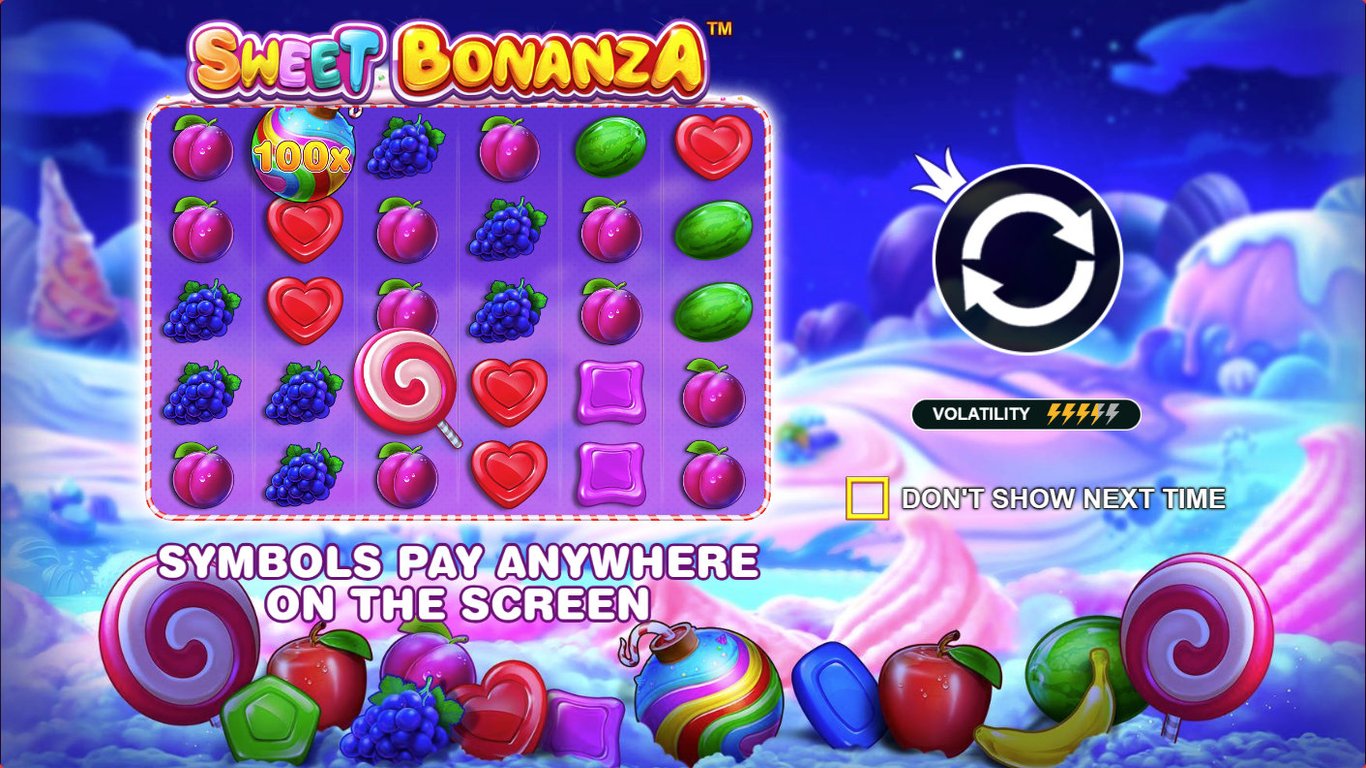
- By Feature or Mechanic: This is where it turns good for the informed player. Categories like “Megaways,” “Cluster Pays,” “Hold and Win,” or “Buy Bonus” let me search for the precise gameplay hooks I like.
- By Theme or Atmosphere: Whether I seek ancient Egypt, space-age sci-fi, or cute animal antics, thematic categories aid me locate the right visuals and sounds to match my vibe.
My Unique Session Method Using Categories
Let me explain you precisely how I utilize these categories for a first-rate session. My play is not haphazard. It’s a structured habit that derives the most out of my time. First, I consistently check the “New Games” category. It’s how I keep current and test the latest creations from top studios. Next, I usually visit the “Popular” or “Player Favorites” section. There’s wisdom in numbers. If a game continues popular, there’s typically a good reason, like compelling mechanics, fair volatility, or thrilling features. If I have a particular aim, like wanting bonus buys, I proceed straight to that dedicated category. For relaxed, thematic play, I’ll venture into a genre like “Adventure” or “Mythology.” This approach lets me effectively mix the new with the tried-and-true, the strategic with the playful. It assures every session has variety and a point. Without this categorical map, my play would be unfocused and less rewarding. With it, I feel like a connoisseur in a well-ordered wine cellar, always able to select the perfect experience for that moment.
- Step 1: The Scout. Check ‘New Games’ to see the latest releases and innovations.
- Step 2: The Crowd-Source. Look through ‘Popular’ or ‘Top’ games to see what everyone else is favoring.
- Step 3: The Deep Dive. Pick a feature-based category like ‘Megaways’ or ‘High Volatility’ based on my current tolerance for risk.
- Step 4: The Wild Card. Select one random game from an unfamiliar theme category to make a genuine new discovery.
The Final Verdict: Structure is a Function, Rather Than an Add-On
Following years of reviewing online casinos, I’ve reached this conclusion. Sophisticated game classification is a premium feature. It significantly improves the player’s journey. It’s a strong sign a operator, Can Be Trusted? Beef Casino being one, cares about usability and gets its players’ diverse mindsets. For the methodical fan, it’s the distinction between a disorganized warehouse and a well-designed showroom. It cuts time, cuts frustration, facilitates strategic play, and amplifies the joy of discovery. It indicates the operator has considered the journey, not just the jackpot at the end. In a crowded digital market, this thoughtful design is what encourages players like me stay loyal. We don’t just remember the big win. We remember the seamless path that led us to that game. So next time you log in, pause for a moment to check out the category menu. Make use of it. Explore it. Let it direct you. You’ll realize that when games are structured with the player in mind, every click makes sense, and every session appears tailored just for you.